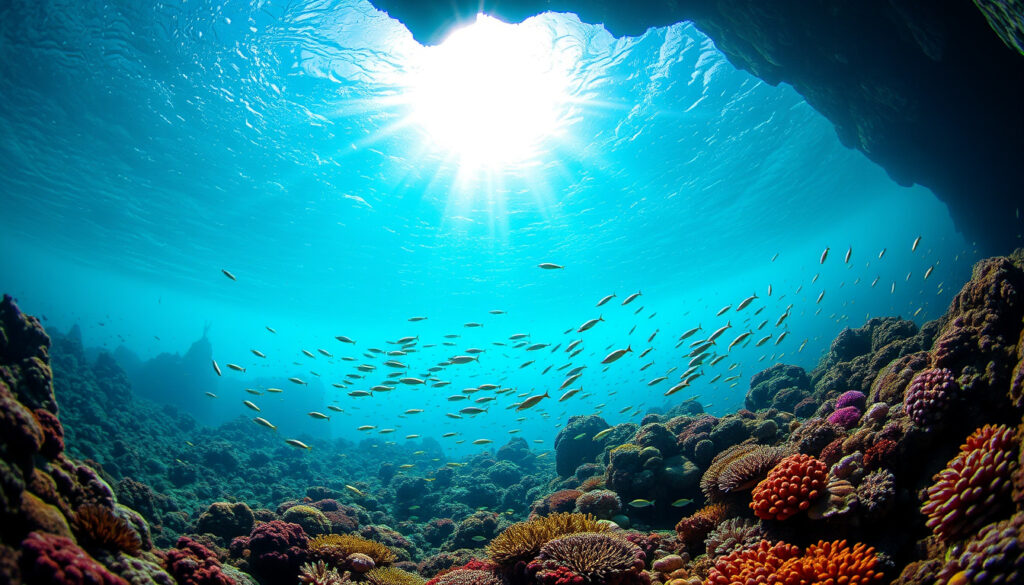
Best Places to Scuba Dive: World, Europe & Ireland Top Spots
Ireland holds over 15,000 wrecks, 11 PADI-listed reefs, and PADI-certified centers within an hour of Dublin — yet the Red Sea still claims the top global spot. This guide ranks worldwide and European dive destinations for every experience level.
Top global dive spot: Red Sea ·
Ireland dive sites listed: 15+ ·
PADI Ireland reefs: 11 ·
PADI Ireland walls: 8 ·
Europe reef dives in Ireland: 11
Quick snapshot
- Red Sea ranked #1 dive destination (PADI Blog (Official Dive Authority))
- PADI lists 15 dive sites in Ireland: 11 reefs, 8 walls, 3 drifts (PADI (Global Dive Certification Body))
- MV Kowloon Bridge wreck spans 20–105 feet in Bantry Bay (Underwater Kinetics (Dive Guide Publisher))
- Exact beginner suitability rankings for all 15 Irish PADI sites
- Water temperature ranges by season for each destination
- 2026 season changes at key dive centers post-2025
- MV Kowloon Bridge sank in 1986, now Europe’s largest wreck dive (Underwater Kinetics)
- HMS Wasp shipwreck from 1971 now accessible at Tory Island (Underwater Kinetics)
- Tripadvisor 2026 rankings published for Irish dive centers (Tripadvisor (User Review Platform))
- Beginner divers: PADI Five Star centers in Ireland ready for Open Water courses
- Experienced divers: Red Sea and Southeast Asia offer best reef diversity
- Budget travelers: Thailand and Indonesia provide cheapest quality diving
Four destinations dominate global dive rankings, each offering distinct underwater environments for different skill levels.
| Destination | Key feature | Depth / access |
|---|---|---|
| Red Sea | World #1 ranked, pristine reefs, clear visibility | Shore and boat dives |
| Maldives | Atoll formations, manta rays, whale sharks | Multi-level dives |
| Philippines | Marine biodiversity capital, thousands of islands | Shore and liveaboard |
| Indonesia | Raja Ampat, muck diving, macro life | Varied conditions |
What this means: the world’s top dive destinations share exceptional visibility, diverse marine ecosystems, and conditions that suit both beginners and advanced divers seeking specific underwater experiences.
Where is the best scuba diving in the world?
The Red Sea consistently tops global dive rankings. Its crystal-clear waters and pristine reefs teem with marine life — making it the benchmark against which all other destinations are measured. According to PADI Blog (the official publication of the world’s largest diving certification agency), the Red Sea’s combination of accessibility, marine biodiversity, and year-round diving conditions places it firmly at #1.
The Maldives follows closely with its iconic atoll formations. Diving here means encountering manta rays and whale sharks alongside colorful coral gardens across multiple depth zones. The Philippines rounds out the top three, offering remarkable biodiversity spread across thousands of islands — each region presenting unique underwater landscapes from macro-focused muck diving to dramatic wall descents.
For divers willing to look beyond the usual suspects, the Philippines delivers marine biodiversity that rivals anywhere on Earth. The country’s archipelago geography creates isolated reef systems teeming with species found nowhere else.
Red Sea
- Ranked #1 globally for visibility, reef health, and marine diversity
- Located off Egypt’s coastline with year-round diving seasons
- Accessible via resort diving and liveaboard options
Maldives
- Atoll formations create calm lagoon diving ideal for beginners
- Manta ray and whale shark encounters common at cleaning stations
- Multi-level dive sites accommodate all certification levels
Philippines
- Over 7,000 islands provide unmatched geographical diversity
- Macro life hotspots in Dumaguete and Anilao attract underwater photographers
- Liveaboard routes connect remote reef systems unreachable from shore
The Red Sea’s #1 ranking reflects consistent 30m+ visibility, protected reef sections, and variety from shallow gardens to deep walls — the single destination that satisfies every diver’s wishlist.
Where are the best scuba diving places?
Southeast Asia dominates budget-friendly diving rankings with Thailand and Indonesia leading. According to Divezone (a diving resource aggregating multiple regional guides), countries like Thailand, Indonesia, and the Philippines offer complete dive experiences at price points unreachable in the Mediterranean or Caribbean.
Egypt and Belize provide compelling mid-range options. PADI’s official site directory confirms Egypt’s Red Sea coast hosts world-class diving that rivals Southeast Asia on marine density while offering easier flight connections from Europe. Belize’s Barrier Reef — a UNESCO World Heritage site — delivers Caribbean-style diving with Atlantic accessibility for North American travelers.
Bluewater Dive Travel (a specialist dive tour operator) recommends Honduras and Mexico for divers seeking Caribbean reef diversity without Caribbean price tags. Cozumel’s drift dives, Roatán’s wall descents, and the Bay Islands’ protected marine reserves offer variety that satisfies both beginners and technical divers.
Indonesia
- Raja Ampat and Komodo host macro life and large pelagic encounters
- Bunaken and Menjangan offer wall diving comparable to Caribbean sites
- Liveaboard routes maximize dive frequency across remote sites
Egypt
- Northern Red Sea hosts Jackson Reef and Thistlegorm wreck
- Brothers Islands draw advanced divers for hammerhead shark sightings
- Sharm el-Sheikh and Hurghada provide resort-based diving access
Belize
- Great Blue Hole offers unique stalactite formations at 40m
- Turneffe Atoll provides multi-day diving with overnight liveaboards
- Glovers Reef accommodates beginners in sheltered lagoon conditions
What this means: Southeast Asia delivers the best value diving without compromising experience quality. For divers who want maximum bottom time per dollar, Thailand and Indonesia remain unbeaten — but Egypt proves that prime Red Sea diving costs less than many expect.
Which European country is best for scuba diving?
Sardinia and Malta stand out as Europe’s premier diving destinations, but Ireland offers surprising depth that contradicts cold-water stereotypes. According to PADI Blog (the official publication of the global diving certification body), Sardinia “is sometimes described as having the best scuba diving in the Mediterranean” — with shore dives suitable for beginners, historic wrecks, and underwater caves drawing comparison to tropical destinations.
Malta, Gozo, and Comino form a diving triangle with reefs, caves, and wrecks within short boat rides of each other. The Blue Hole off Gozo starts at 12 meters — according to PADI Blog — making it an ideal first ocean dive for newly certified divers transitioning from pool sessions.
Ireland challenges these assumptions directly. According to Divezone (a diving resource aggregating regional data), “Ireland is actually a great place to learn how to scuba dive. Indeed, the country boasts many shallow dive sites, which are perfect for beginners.” With over 15,000 wrecks — according to Divezone’s count of the Irish Wrecks database — the country’s underwater landscape rivals Mediterranean wreck diversity despite its cooler waters.
Sardinia
- Best Mediterranean diving with beginner shore access, wrecks, and caves
- Carloforte and Tavolara offer consistent visibility and temperate conditions
- Accessible from major European airports with car rental for remote sites
Malta, Gozo & Comino
- Blue Hole at Gozo starts at 12 meters, suitable for newly certified divers
- Reefs, caves, and wrecks within 30-minute boat rides of each harbor
- Year-round diving with water temperatures ranging 16–26°C
Ireland
- Over 15,000 wrecks according to Irish Wrecks database
- 15 PADI-listed dive sites: 11 reefs, 8 walls, 3 drifts
- Cool water suits dry suit training essential for year-round diving
Ireland’s cold-water reputation costs it tropical-diver bookings — but that same cooler water supports kelp forests, deepwater species, and wreck preservation impossible in warmer seas. For divers seeking marine diversity beyond tropical reefs, Ireland rewards the extra thermal layer.
What are the best places to scuba dive near Ireland?
Ireland offers beginner-friendly sites across multiple regions, with PADI-certified dive centers making supervised diving accessible even for first-timers. Rutland Sound in Co. Donegal ranks as the top beginner location — according to Underwater Kinetics (a detailed dive guide publisher) — due to its “sheltered calm conditions, gentle waters free from strong currents, shallow depths, and diverse marine life like colorful sponges.”
Dublin-area divers can reach Dalkey Island via Oceandivers — a PADI Five Star Dive Center — for kelp forests and rocky reefs within an hour of the city center. According to Scuba Diving Magazine (a tier-1 diving publication), Oceandivers provides guided dives where beginners can see anemones, crabs, and lobsters without venturing far from shore.
Donegal alone hosts approximately 40 dive sites across North East, Aranmore, North West, and Malin Beg — according to Divezone’s regional breakdown. Aquaholics Dive Centre in Mulroy Bay — another PADI Five Star center — offers access to multiple sites including the deep Mulroy Bay walls where advanced divers encounter different species than shallow-water visitors.
Rutland Sound, Co. Donegal
- Ideal for novices with sheltered calm conditions
- No strong currents; gentle depth gradients
- Colorful sponges and shallow marine life
Dalkey Island, Dublin
- Kelp forests, rocky reefs, anemones, crabs, lobsters
- Short boat ride from Dublin; no long drives required
- Oceandivers (PADI Five Star) provides guided entry-level dives
Fanore, County Clare
- Shore diving with dolphins nearby — the reef sits 50m off coast
- Warm Gulf Stream influence moderates water temperature
- Near Cliffs of Moher for combined land-and-dive trips
The catch: Ireland’s best beginner sites require dry suit certification and basic cold-water training. Budget an extra $200–$400 for a dry suit rental and a pool session with a local instructor before attempting open-water sites.
What are the best places to scuba dive for beginners?
PADI recommends the Open Water Diver course as the standard entry point, with Discover Scuba Diving providing a supervised pool option for those not ready for certification. According to Underwater Kinetics, Irish Scuba Academy and Diving Ireland offer SDI and CMAS courses alongside PADI programs — giving beginners multiple certification pathways if they outgrow a single agency’s curriculum.
Globally, the Corn Islands and Dumaguete rank among the most forgiving beginner destinations. Calm, shallow conditions — often under 12 meters — let new divers focus on buoyancy and air management without fighting currents or navigating complex terrain.
For divers already considering Europe, Sardinia and Malta offer warm-water alternatives to tropical destinations. The Blue Hole off Gozo starts at 12 meters — ideal for newly certified divers ready for their first ocean environment — while Sardinia’s shore dives require no boat booking, making last-minute diving decisions straightforward.
Corn Islands
- Caribbean Nicaragua; calm lagoon conditions
- Shallow reefs under 12m; minimal current exposure
- Small-scale operations keep instructor-to-student ratios low
Dumaguete
- Apo Island marine sanctuary protects coral health
- Macro life and turtle encounters on same reef
- Dive shops within walking distance of beach entries
What do experts say about diving?
PADI Blog confirms that Sardinia “is sometimes described as having the best scuba diving in the Mediterranean” — citing its combination of shore dives suitable for beginners, historic wrecks, and underwater caves that draw comparison to tropical destinations.
Sardinia is sometimes described as having the best scuba diving in the Mediterranean.
— PADI Blog (Official Dive Publication)
Tripadvisor reviewers consistently highlight Dingle Marina Dive Centre for clear Mannin Bay waters and abundant sea life — with one diver noting the experience as genuinely thrilling.
If you get the chance to dive in Ireland with Louise and her team, take it. You will be thrilled! The waters of Mannin Bay were so clear and the sea life was beautiful.
— Tripadvisor Reviewer (Certified Diver)
Divezone reinforces Ireland’s beginner credentials directly — stating the country “boasts many shallow dive sites, which are perfect for beginners” despite its cold-water reputation.
Ireland is actually a great place to learn how to scuba dive. Indeed, the country boasts many shallow dive sites, which are perfect for beginners.
— Divezone (Diving Resource)
For beginners seeking the definitive answer on where to start, the Red Sea offers the world’s most forgiving combination of clear water, abundant marine life, and infrastructure designed around newly certified divers. For budget-conscious travelers, Southeast Asia delivers equivalent experiences at roughly half the cost — with Thailand and Indonesia offering the best value-to-experience ratios.
Related reading: Best Places to Scuba Dive: Top World & Ireland Spots · Best Places to Scuba Dive: Top Destinations Worldwide
Premier scuba hotspots worldwide often double as snorkeling havens, with many ranking among the worlds top snorkeling destinations for surface-level marine exploration.
Frequently asked questions
What country is best for scuba diving?
The Red Sea consistently ranks as the top global dive destination. Its crystal-clear waters and pristine reefs teem with marine life — making it the benchmark against which all other destinations are measured.
What are the best places to scuba dive in the Caribbean?
Honduras and Belize offer world-class Caribbean diving with accessible reefs and caves. Bluewater Dive Travel frequently recommends these destinations for their combination of marine diversity and beginner-friendly conditions.
What are the best places to learn to scuba dive in Europe?
Sardinia and Malta rank among Europe’s best learning destinations, with warm waters and shore dives suitable for beginners. The Blue Hole off Gozo starts at 12 meters, providing an ideal depth for newly certified divers.
What is the scuba 1/3 rule?
The 1/3 rule guides air consumption: use one-third of your air on the way out and reserve two-thirds for your return journey. Running low on air underwater carries serious risks including hypoxia.
What is the 120 rule in scuba diving?
The 120 rule is a simple depth-time guide for recreational diving: never exceed 120 minutes at 40 feet (12m) or 60 minutes at 60 feet (18m). These limits help new divers manage nitrogen absorption safely.
Can thyroid patients do scuba diving?
DAN Europe notes that most thyroid patients who are well-managed can dive safely. Any diver with a medical condition should consult their physician before diving and discuss any medications with their dive doctor.
What disqualifies you from scuba diving?
PADI requires divers to complete a medical statement that excludes conditions like cardiac issues, respiratory problems, and ear barotrauma. Anyone with these or similar concerns should seek physician approval before their first dive.
More related posts
 Toronto Maple Leafs Breaking News Today – Playoffs Out, GM Fired, Injuries
 How to Connect Shark Robot to New WiFi – Step-by-Step Guide
 Globe and Mail News – Latest Headlines, Ownership and Reliability
 For Whom the Bell Tolls – Summary, Themes and Analysis
 Alexandria Ocasio-Cortez Biography: Husband, Ethnicity & 2028
 Best Meatloaf in the World: Top Recipes from Ricardo
 New Zealand vs Pakistan Cricket Timeline: History & Key Matches
 1000 CAD to USD Today: Live Exchange Rate & Converter