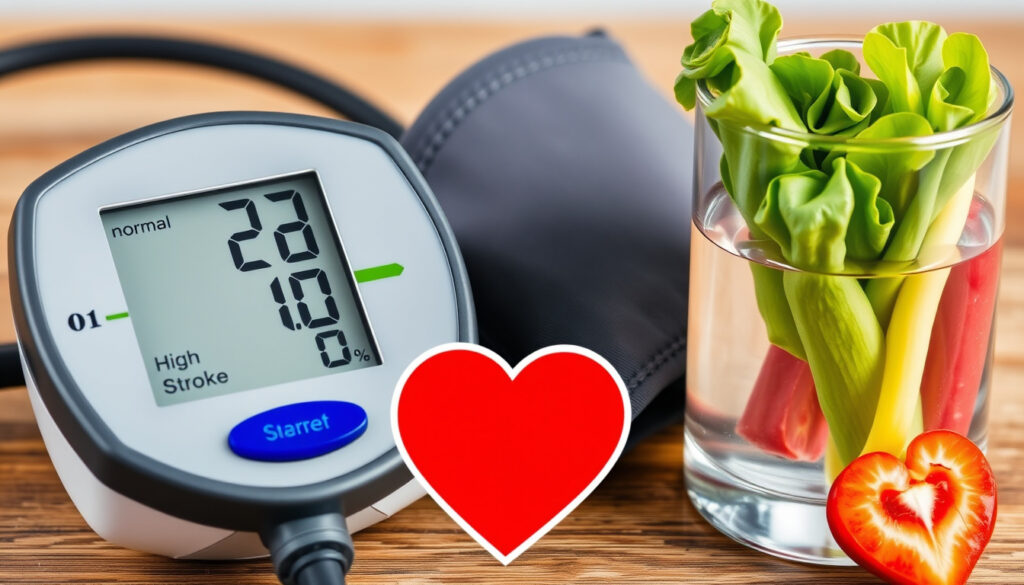
Blood Pressure: Normal, High, Stroke Level & How to Lower It
Checking your blood pressure is one of those quick health checks that can feel either reassuring or alarming, depending on the number that appears. With different guidelines — from the Irish Heart Foundation’s ideal target of less than 120/70 to the HSE’s thresholds for older adults — this guide unpacks what your numbers actually mean, when to worry, and how to bring them down naturally, with Ireland-specific thresholds and expert-backed advice.
Normal blood pressure range: 90/60 to 120/80 mmHg ·
Ideal blood pressure (Irish Heart): Less than 120/70 mmHg ·
High blood pressure threshold: 140/90 mmHg or higher ·
Target for over-80s (HSE): Below 150/90 mmHg (or 145/85 at home) ·
Stroke-level blood pressure (crisis): 180/120 mmHg or higher
Quick snapshot
- Ideal: <120/70 mmHg (Irish Heart Foundation)
- Normal: 90/60 – 120/80 mmHg (HSE)
- Elevated: 120-129 / <80 mmHg (Irish Pharmacy Union)
- High: ≥140/90 mmHg (Irish Heart Foundation)
- Often none (silent killer) (American Heart Association)
- Severe: headache, chest pain, vision changes (AHA)
- Crisis: 180/120+ with symptoms (Baptist Health)
- Reduce salt, eat potassium-rich foods (AHA)
- Exercise 150 min/week (Irish Heart Foundation)
- Limit alcohol, manage stress (HSE)
- Drink beetroot juice, hibiscus tea (Harvard Health)
- BP ≥180/120 with symptoms (AHA)
- Severe headache, chest pain, confusion (Baptist Health)
- Call 911 or go to ER immediately (HSE)
Five key numbers, one pattern: blood pressure is a sliding scale, not a single switch. The table below shows the classification system used in Ireland and Europe.
| Category | Systolic (mmHg) | Diastolic (mmHg) |
|---|---|---|
| Optimal | <120 | <80 |
| Normal | 120–129 | 80–84 |
| High-normal | 130–139 | 85–89 |
| Grade 1 hypertension | 140–159 | 90–99 |
| Grade 2 hypertension | 160–179 | 100–109 |
| Grade 3 hypertension | ≥180 | ≥110 |
| Isolated systolic hypertension | ≥140 | <90 |
The pattern: a single reading above 140/90 doesn’t diagnose hypertension — the Irish Heart Foundation stresses that confirmation requires several readings. The trade-off: early detection saves lives, but over-testing can cause unnecessary anxiety.
What is normal blood pressure?
Normal blood pressure is generally defined as a reading between 90/60 mmHg and 120/80 mmHg, according to the HSE (Ireland’s national health service). The Irish Heart Foundation (the country’s leading heart health charity) sets the ideal even lower: less than 120/70 mmHg. Under the latest European Society of Cardiology guidance, as summarised by the Irish Pharmacy Union (IPU), optimal blood pressure is under 120/80, with normal up to 129/84.
What is normal blood pressure for a 70 year old?
- For adults over 80, the HSE (Ireland’s health service) targets below 150/90 mmHg (or 145/85 when measured at home).
- For people with diabetes, kidney disease, or a history of stroke or heart disease, the Irish Heart Foundation says the threshold for high blood pressure is lower.
- The National Clinical Guideline for Stroke (UK and Ireland) recommends keeping the first figure (systolic) below 130 after a stroke.
The catch: age alone doesn’t dictate a target — overall cardiovascular risk and existing conditions matter more. For a healthy 70-year-old, a reading of 135/85 might be acceptable, but the same number in someone with prior stroke would trigger treatment.
What is normal blood pressure by age?
While exact age-based charts vary, the Irish Pharmacist (professional pharmacy body) outlines the ESC categories that apply to all adults: optimal, normal, high-normal, and grades 1–3. The key takeaway: a single number doesn’t fit all ages, but the 140/90 threshold is the standard diagnostic cut-off for most adults.
Blood pressure chart: understanding systolic and diastolic
The top number (systolic) measures pressure when the heart beats. The bottom number (diastolic) measures pressure when the heart rests between beats. The American Heart Association explains that both numbers matter, but in people over 50, systolic pressure is a stronger predictor of cardiovascular risk.
A person with a systolic of 150 and diastolic of 85 (isolated systolic hypertension) faces a different risk profile than someone with 150/100. The Irish Pharmacist notes that isolated systolic hypertension — systolic ≥140 with diastolic below 90 — is common in older adults and requires specific management.
What are the top 10 symptoms of high blood pressure?
High blood pressure is often called the “silent killer” because the American Heart Association (AHA) states most people have no symptoms. When symptoms do appear, they usually signal dangerously high levels. The AHA (leading cardiovascular authority) lists these possible symptoms of severe hypertension:
- Severe headache
- Shortness of breath
- Nosebleeds
- Flushing
- Dizziness
- Chest pain
- Visual changes (blurred vision or seeing spots)
- Blood in urine
- Pounding sensation in chest, ears, or neck
- Fatigue or confusion
In a hypertensive crisis (180/120 or higher), the Baptist Health (US hospital network) warns that severe headache, chest pain, and vision changes require immediate emergency care.
How do you feel when blood pressure is very high?
Many people with readings of 180/120+ feel nothing. That’s why the AHA calls it a “silent killer.” But when symptoms do appear, they include the ones listed above. The HSE (Ireland’s health service) advises calling 112 or 999 if you have a reading of 180/120 or higher plus any of those symptoms.
What are the signs and symptoms of high blood pressure?
Beyond the crisis symptoms, the Irish Heart Foundation emphasises that most people with stage 1 or 2 hypertension have no signs at all. That’s why regular checking — especially for those over 40 or with a family history — is critical.
The condition that causes the most damage is the one you often cannot feel. The Irish Pharmacist notes that uncontrolled hypertension increases stroke risk sevenfold and contributes to 70% of all strokes.
What this means: don’t wait for a symptom to check your blood pressure. By the time symptoms appear, organ damage may already be underway.
How to lower your blood pressure?
Lifestyle changes are the foundation of blood pressure management. The Irish Heart Foundation (Ireland’s heart health charity) recommends:
- Reduce sodium intake (aim for less than 5g salt per day)
- Increase potassium-rich foods (bananas, spinach, avocados)
- Exercise at least 150 minutes per week (moderate intensity)
- Limit alcohol to no more than 11 standard drinks per week for women, 17 for men
- Manage stress through mindfulness or relaxation techniques
- Maintain a healthy weight (BMI below 25)
For those who have had a stroke, the National Clinical Guideline for Stroke (UK and Ireland) states that blood pressure-lowering treatment should start before leaving hospital, or within two weeks of the stroke — whichever is sooner.
What to drink to lower blood pressure?
- Beetroot juice — rich in nitrates that widen blood vessels (Harvard Health)
- Hibiscus tea — contains anthocyanins that may lower BP (NIH study)
- Low-fat or skim milk — provides calcium and potassium (AHA)
- Pomegranate juice — antioxidant effects may reduce BP (Phytotherapy Research)
- Unsalted tomato juice — low sodium, high potassium (PubMed study)
- Green tea — catechins may have a mild effect (NIH review)
Beetroot juice can drop systolic BP by 4–5 mmHg within a few hours, but the effect is temporary. The Irish Heart Foundation emphasises that no drink replaces medication or lifestyle changes for chronic hypertension.
Can drinking lots of water lower blood pressure?
Adequate hydration is essential for normal blood pressure, but drinking extra water does not directly lower chronic high blood pressure. The AHA (American heart authority) clarifies that dehydration can cause low blood pressure (hypotension) and dizziness, but not hypertension. For most people, staying well-hydrated — about 1.5–2 litres per day — supports overall cardiovascular function.
What to watch: if you have high blood pressure and are taking diuretics, your fluid needs may be different. Talk to your GP about your individual hydration target.
What to do first thing in the morning to lower blood pressure?
Morning blood pressure spikes are common due to the natural cortisol surge. The AHA (heart health organisation) recommends this routine:
- Wake up gradually — avoid sudden standing, which can cause a sharp BP rise.
- Take your morning medication as prescribed before eating.
- Check your blood pressure after emptying your bladder but before breakfast (sitting quietly for 5 minutes first).
- Avoid caffeine for 30 minutes after waking — it can temporarily raise BP.
- Practice deep breathing or a short stretching session for 5 minutes.
The HSE (Ireland’s health service) adds that home monitoring should use a validated device and the same arm each time for consistency.
Why this matters: morning BP is a strong predictor of cardiovascular events. A study in the Journal of Hypertension found that a high morning surge increases stroke risk independently of average daily BP.
The pattern: consistent morning monitoring and medication timing are key to controlling morning surges.
What is stroke level blood pressure?
Stroke-level blood pressure, also called hypertensive crisis, is defined as a reading of 180/120 mmHg or higher. The American Heart Association (AHA) and Baptist Health (US hospital network) both use this threshold.
- Hypertensive emergency: BP ≥180/120 with symptoms (chest pain, headache, shortness of breath, vision changes). Requires immediate ER visit.
- Hypertensive urgency: BP ≥180/120 without symptoms. Wait 5 minutes and recheck. If still high, contact a doctor within 24 hours.
The HSE (Ireland’s health service) warns that untreated hypertensive crisis can cause stroke, heart attack, aortic dissection, or kidney damage. The National Clinical Guideline for Stroke (UK and Ireland) recommends that anyone with a history of stroke who measures 180/120 or higher should seek emergency care immediately.
If you measure 180/120 at home and have no symptoms, sit quietly for 5 minutes and recheck. If it’s still above 180/120, call your GP or the HSE’s out-of-hours service. If you have any symptoms, dial 112 or 999. The Irish Heart Foundation stresses that every minute counts.
The implication: a single high reading doesn’t always mean a crisis, but you must take it seriously. The AHA provides a clear protocol: recheck, then act.
Can drinking lots of water lower blood pressure?
We covered this above in the “How to lower your blood pressure?” section. The AHA (American heart authority) confirms that while dehydration can cause low blood pressure, extra water does not lower chronic high BP. The beverages that do help are those with specific bioactive compounds, like beetroot juice and hibiscus tea.
What to drink instead: unsalted tomato juice, skim milk, green tea, and hibiscus tea all have evidence of modest BP-lowering effects. The NIH study on hibiscus tea showed a 6–7 mmHg drop in systolic BP over 6 weeks in pre-hypertensive adults.
For the person with chronic high BP, water is essential but not a cure. The Irish Heart Foundation recommends focusing on the proven interventions: reduce salt, increase potassium, exercise, and limit alcohol. Drinks are a supporting act, not the main event.
The pattern: no single beverage replaces a comprehensive approach. But swapping sugary drinks for unsalted tomato juice or hibiscus tea can add 1–2 points of reduction over time.
Confirmed facts
- Normal BP is below 120/80 mmHg (AHA).
- High BP is 140/90 or higher (HSE).
- Stroke-level BP is 180/120 or higher (Baptist Health).
- Lifestyle changes can reduce BP (Irish Heart Foundation).
- Uncontrolled hypertension increases stroke risk sevenfold (Irish Pharmacy Union).
What’s unclear
- Exact mechanism of how beetroot juice lowers BP (nitrates versus other compounds).
- Optimal morning routine is not universally established; current recommendations are based on expert consensus.
- Whether drinking extra water provides any additional benefit beyond normal hydration for BP control.
Quotes from experts
“High blood pressure is a ‘silent killer’ because most people have no symptoms.”
— American Heart Association (leading cardiovascular health organisation)
“The ideal blood pressure is less than 120/70.”
— Irish Heart Foundation (Ireland’s heart health charity)
“For over-80s, the target is below 150/90 mmHg (or 145/85 at home).”
— HSE (Health Service Executive, Ireland’s national health service)
“Uncontrolled hypertension increases stroke risk sevenfold and contributes to 70% of all strokes.”
— Irish Pharmacy Union (professional pharmacy body in Ireland)
Blood pressure is a dynamic measure that changes with every heartbeat, every meal, and every stressor. The numbers on the monitor are not a verdict — they are a guide. For the person in Ireland checking their BP at home, the Irish Heart Foundation and HSE provide clear thresholds: keep it below 140/90 for most adults, below 130/80 if you have diabetes or kidney disease, and below 150/90 if you’re over 80. The National Clinical Guideline for Stroke adds that for stroke survivors, systolic should stay below 130. For the person with a reading of 180/120, the choice is immediate: call 999 or go to the nearest emergency department. For everyone else, the action is clear: take one lifestyle change — reduce salt, walk 30 minutes, drink a glass of beetroot juice — and stick with it. Or risk the alternative: a silent climb that ends in a stroke.
healthnews.ie, cwht.ie, heart.org, emed.ie, healthline.com, pmc.ncbi.nlm.nih.gov
Frequently asked questions
Can stress cause high blood pressure?
Yes, acute stress can temporarily raise blood pressure. Chronic stress may contribute to sustained hypertension through hormonal changes and unhealthy coping behaviours. The AHA (American Heart Association) recommends stress management techniques like meditation, exercise, and adequate sleep.
Is low blood pressure dangerous?
Low blood pressure (hypotension) is usually not dangerous unless it causes symptoms like dizziness, fainting, or shock. The AHA (American Heart Association) notes that a reading below 90/60 is considered low. Causes include dehydration, blood loss, medications, or underlying conditions. If you have symptoms, consult a GP.
What is the best time to measure blood pressure?
The AHA (American Heart Association) recommends taking measurements at the same time each day, ideally in the morning before eating and after emptying your bladder, and again in the evening. Consistency is key for tracking trends.
Does exercise lower blood pressure instantly?
Exercise can temporarily lower blood pressure for a few hours after activity (called post-exercise hypotension). The AHA (American Heart Association) recommends at least 150 minutes of moderate aerobic activity per week for sustained benefits. Long-term regular exercise can reduce systolic BP by 4–9 mmHg.
How often should I check my blood pressure?
The Irish Heart Foundation (Ireland’s heart health charity) advises that if you have high blood pressure, you should check it at least twice daily — morning and evening — and keep a log. For people with normal readings, checking once a month is reasonable. Those with a family history of hypertension should check more frequently.
Can high blood pressure be reversed without medication?
In some cases, lifestyle changes can reduce blood pressure enough to avoid medication. The Irish Heart Foundation states that weight loss, a low-sodium diet, regular exercise, and limited alcohol can lower BP by 10–20 mmHg. However, for people with stage 2 hypertension or higher, medication is usually needed alongside lifestyle changes.
What is the difference between systolic and diastolic?
Systolic pressure (the top number) measures the force when the heart contracts. Diastolic pressure (the bottom number) measures the force when the heart rests between beats. The AHA (American Heart Association) explains that both are important, but systolic is a stronger predictor of heart disease in people over 50.
What is the HSE’s target for home blood pressure monitoring?
The HSE (Ireland’s health service) recommends using a validated upper-arm monitor, sitting quietly for 5 minutes, with feet flat on the floor and arm supported at heart level. Take two readings 1 minute apart and record the average. Home targets are typically 5 mmHg lower than office targets (e.g., 135/85 home vs 140/90 office).
The pattern: regular monitoring and lifestyle adjustments are the foundation of blood pressure management.
Related reading: Bob Odenkirk: Heart Attack, Irish Roots, Trump Views & Net Worth · Poison Ivy: Identification, Rash Treatment, and Myths Debunked
More related posts
 Jemimah Rodrigues: Age, Religion, Net Worth, Father & Career
 Teresa Giudice: Marriage, Divorce, Legal Case, and Net Worth
 Is She-Hulk a Hit or Flop? Reception, Season 2, and More
 Anne Hathaway Shakespeare: Wife, Myths & Actress Confusion
 Audi Crooks: Weight Rumors, WNBA Future & NIL Deal
 Tottenham vs Arsenal F.C. Lineups – Confirmed XIs, Injuries, Formations
 Blake Shelton: Kids, Wedding, Net Worth, and Voice Career